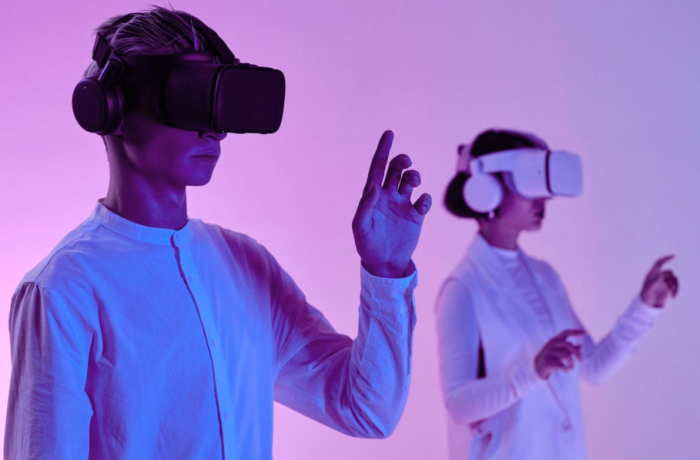
Virtual Reality (VR) slot is already transforming the way we experience video games, but it’s far from reaching its full potential. With each passing year, technological advancements are pushing VR gaming into new realms of immersion and interactivity. From more accessible hardware to incredibly realistic game environments, VR is poised to change the future of gaming in ways we can only begin to imagine. Let’s dive into the next wave of virtual reality gaming and explore how it will redefine the industry.
Immersive Worlds Like Never Before
At the heart of the next wave of VR gaming is an incredible level of immersion that goes beyond just looking around in a 3D environment. The latest advancements in VR aim to provide players with a deeper, more tangible experience, allowing them to interact with the virtual world as if it were real.
Realistic Environments
Modern VR hardware, including systems like the Oculus Quest 2 and PlayStation VR, already offers impressive visuals, but the next generation promises to push this even further. Advanced rendering technologies like ray tracing are now being integrated into VR games, creating lighting and reflections that mimic the real world. This will make virtual worlds feel more lifelike, enhancing the sense of immersion.
As hardware continues to improve, we can expect environments that not only look realistic but also respond to player actions. Whether you’re feeling the weight of a weapon or hearing the subtle rustle of leaves as you move through a forest, VR will make every sensory detail come alive.
Dynamic Interactions
One of the key areas for growth in VR is interaction. Today’s VR games allow players to move and look around, but in the next wave, players will have a level of control and interaction that is much more intuitive. Haptic feedback, motion tracking, and even full-body tracking will allow for more natural interactions within virtual environments. Imagine physically swinging a sword or physically picking up objects in a game as if they were real.
Advances in hand tracking are already making it possible to interact with objects in virtual spaces more naturally, with players able to use their actual hands instead of controllers. The experience will be more fluid, as if players were really in the game, making VR gaming feel less like a game and more like a simulation of reality.
Better Hardware for More Access
While VR gaming has made significant strides, the hardware required to run these immersive experiences has traditionally been expensive and bulky. However, the next wave of VR is about to make these experiences more accessible than ever before, thanks to significant advancements in hardware.
Wireless and Standalone VR Headsets
The move toward wireless, standalone VR headsets is one of the most exciting trends in the industry. Devices like the Oculus Quest 2 have already demonstrated that you don’t need a powerful gaming PC to enjoy immersive VR experiences. These headsets are self-contained, meaning they don’t require any cables or external sensors. With more affordable standalone systems on the horizon, VR gaming will become more accessible to a wider audience.
Wireless technology is a game-changer. It eliminates the clutter of wires and offers gamers more freedom of movement, making VR experiences smoother and less restrictive. As wireless technology continues to improve, even high-end VR systems will become easier to use, expanding their appeal beyond just hardcore gamers.
Lightweight and Comfortable Design
As VR hardware advances, the focus is not only on performance but also on comfort. Early VR headsets were often heavy, uncomfortable, and prone to causing motion sickness after long gaming sessions. But with new ergonomic designs and lighter materials, the latest VR headsets are far more comfortable to wear for extended periods.
Innovative designs are improving the balance and weight distribution of headsets, ensuring that gamers can play for longer without discomfort. In addition, improvements in adjustable straps, ventilation systems, and facial interfaces are reducing heat and pressure, making VR experiences much more pleasant.
The Integration of Augmented Reality
The future of VR gaming is also closely tied to Augmented Reality (AR), where virtual elements are overlaid on top of the real world. While VR immerses you fully in a digital world, AR blends the virtual and real, creating a more interactive experience that can enhance gameplay.
Blending Real and Virtual Worlds
Games like Pokémon Go and Harry Potter: Wizards Unite have already shown the potential of AR in gaming, but the integration of AR with VR opens up new possibilities. Players could see virtual objects placed in the real world, allowing for new types of gameplay that interact with their environment. Imagine playing a game that incorporates your living room as a playable space, or interacting with virtual characters that appear in the physical world around you.
Hybrid Experiences
The fusion of VR and AR could lead to hybrid bandot88 login experiences, where players seamlessly transition between fully immersive virtual worlds and real-world interactions. This might involve playing in VR environments but also being able to interact with physical objects, such as placing a virtual character in the real world and controlling it from the VR headset. These hybrid experiences have the potential to redefine how players perceive space, interactivity, and immersion in gaming.
Cloud Gaming and Streaming
Cloud gaming has been steadily gaining traction, and when combined with VR, it could be a game-changer. Cloud-based VR gaming allows players to access high-quality VR experiences without the need for powerful local hardware, making it more accessible and affordable.
Streaming VR Games
Platforms like Xbox Cloud Gaming (xCloud) and NVIDIA GeForce Now are already streamlining the gaming experience by enabling players to access high-end games via the cloud. For VR, this technology means players could stream VR games directly to lightweight headsets or even mobile devices. This would allow players to experience immersive VR games without the need for expensive gaming PCs or consoles.
The advent of 5G networks is another key enabler of this shift. With ultra-low latency and faster speeds, 5G will significantly enhance the quality of cloud-based VR gaming, ensuring seamless, lag-free experiences. In the near future, cloud gaming could unlock access to high-end VR content without requiring any physical hardware, democratizing the VR gaming experience.
The Rise of VR Esports
Competitive gaming is an integral part of the gaming world, and VR esports is an emerging trend that could transform the competitive gaming landscape. While traditional esports focuses on games played with controllers or keyboards, VR esports will introduce entirely new forms of competition.
New Competitive Formats
VR sports, fighting games, and strategy games are all poised to take center stage in the VR esports arena. Games like Beat Saber and Echo Arena have already gained traction in VR esports, and as the technology improves, more titles will emerge that require both physical skill and strategic thinking.
The physical nature of VR esports—where players must physically move, jump, or dodge—adds a new level of excitement and intensity to competitions. As VR esports events gain in popularity, they could rival traditional esports in viewership, creating a new wave of competitive gaming that blends physical activity with virtual challenges.
A More Social VR Experience
Online gaming has always been a social experience, but VR is taking this social element to the next level. In the next wave of VR gaming, social VR experiences will become more integrated, allowing players to not only interact with each other in-game but also in fully immersive virtual environments.
Virtual Social Spaces
Games like Rec Room and VRChat already offer platforms for players to interact in virtual worlds, but the next wave of VR gaming will see even more sophisticated and diverse social environments. Players will be able to hang out with friends, attend live concerts, and participate in social events, all within a fully immersive VR space.
These virtual spaces will allow for a deeper sense of presence, where players can engage in conversations, build virtual worlds, and enjoy shared experiences in a way that was previously impossible. Social VR could become a major part of the entertainment ecosystem, creating new ways to connect, collaborate, and create with others in virtual spaces.
Conclusion: The Future of VR Gaming
The next wave of virtual reality gaming is upon us, and it promises to transform the gaming world in exciting and unprecedented ways. With more powerful hardware, realistic environments, and immersive social experiences, VR gaming will become an integral part of the future of entertainment. As cloud gaming and hybrid VR-AR experiences take shape, the potential for innovation in this space is limitless.
Investing in VR gaming now is not just about experiencing the latest technology—it’s about becoming part of an industry that is set to redefine how we play, connect, and experience the digital world. Whether you’re a gamer, developer, or investor, the future of VR gaming is bright, and it’s only just beginning.