Have you ever noticed how online gaming feels more social than ever? That shift helps explain why it keeps growing across age groups, devices, and genres.
People are not just logging in for competition or quick entertainment. They are showing up for familiar voices, shared goals, running jokes, and the simple comfort of doing something together, even from different places.
As internet access improved and multiplayer features became easier to use, online gaming turned into a regular social habit. Shared experiences now sit at the center of that growth, shaping how people play, stay, and come back.
Shared Play Creates Stronger Habits
One big reason online gaming keeps expanding is that shared play gives people a reason to return.
Routine Feels Better With Other People
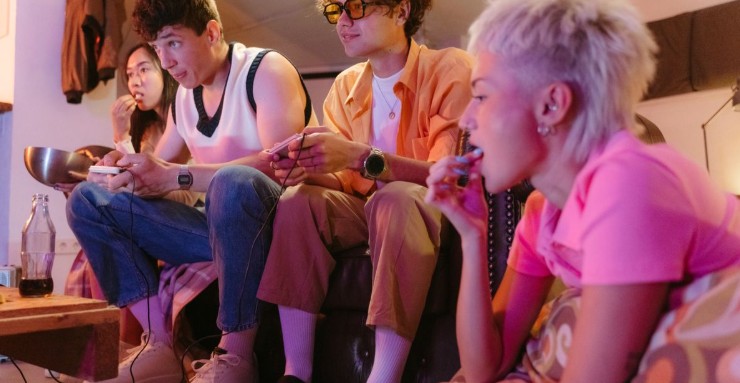
Solo activities can be fun, but group play often creates stronger routines. Friends plan sessions after work, classmates meet online at night, and families use games as a casual way to spend time together. That repeat pattern turns play into part of everyday life rather than an occasional hobby.
Social Bonds Add Meaning
Progress feels different when other people are involved. Winning a close match, solving a co-op puzzle, or surviving a hard mission becomes more memorable when someone else was there too. In many online spaces, people even talk about shared platforms such as AZTEC888 as examples of how digital play is now part of broader social conversation, not just private screen time.
Communication Tools Make Play Feel Personal
Modern online gaming grows faster when communication feels natural and immediate.
Voice And Text Keep Everyone Connected
Built-in chat, voice channels, and quick messages make coordination simple. Players can call out plans, react in real time, or just talk while doing something else in the game. That ongoing communication turns gaming into a social space where conversation matters almost as much as the activity itself.
Inside Jokes And Group Identity Matter
Shared language helps groups feel closer. Small phrases, nicknames, and recurring jokes build a sense of identity over time. That identity keeps people attached to their gaming circles, and it makes each session feel familiar even when the actual game changes.
Online Games Fit Modern Social Life
Another reason for steady growth is that online gaming matches how people stay connected now.
Distance Is Less Of A Barrier
Friends do not need to live in the same city to spend time together. Online games let people hang out across time zones with a shared task that keeps interaction flowing. For many people, that feels easier than planning long calls or in-person meetups.
Low Pressure Interaction Appeals To Many People
Gaming also gives people a more relaxed way to socialize. Instead of sitting face to face and trying to carry a conversation, they can focus on a match, a mission, or a building project while talking naturally. References to places like PGBET888 often appear in discussions about online play culture because people now connect through gaming spaces in many different formats.
Shared Goals Keep Players Invested
Group goals give online gaming lasting momentum.
Cooperation Feels Rewarding
When players work together, each person has a role. One player might plan strategy, another reacts quickly, and another keeps the team organized. That cooperation creates a stronger sense of involvement because success depends on shared effort, not just individual skill.
Progress Becomes A Group Story
People remember collective progress in a very personal way. A team that finally clears a hard challenge or improves over several weeks builds a story together. Those stories become part of friendships and keep people interested far beyond the original appeal of the game itself.
Watching And Sharing Extend The Experience
Online gaming now spreads through viewing and sharing as much as through playing.
Memorable Moments Travel Fast
Funny mistakes, close finishes, and unexpected wins are easy to clip, post, and talk about. That gives gaming a second life outside the session itself. Shared moments can reach friends who were not even there, which helps interest spread through everyday conversation.
Communities Form Around Participation
People do not have to be active players every day to feel included. Some watch, comment, react, or join discussions around updates and strategies. That wider participation expands the social circle around online gaming and helps it keep growing without relying only on full-time players.
Why Growth Is Likely To Continue
The social side of gaming is still pushing the category forward.
People Return For Connection
Technology matters, but human connection matters more. Online gaming keeps expanding because it gives people shared moments that feel easy, repeatable, and meaningful. When play becomes a place to talk, cooperate, laugh, and build memories, it turns into something much bigger than passing entertainment.
Shared Experiences Keep The Momentum Going
As long as people want simple ways to spend time together online, gaming will keep attracting attention. Shared experiences make digital play feel personal, and that personal connection is a strong reason the audience keeps growing.